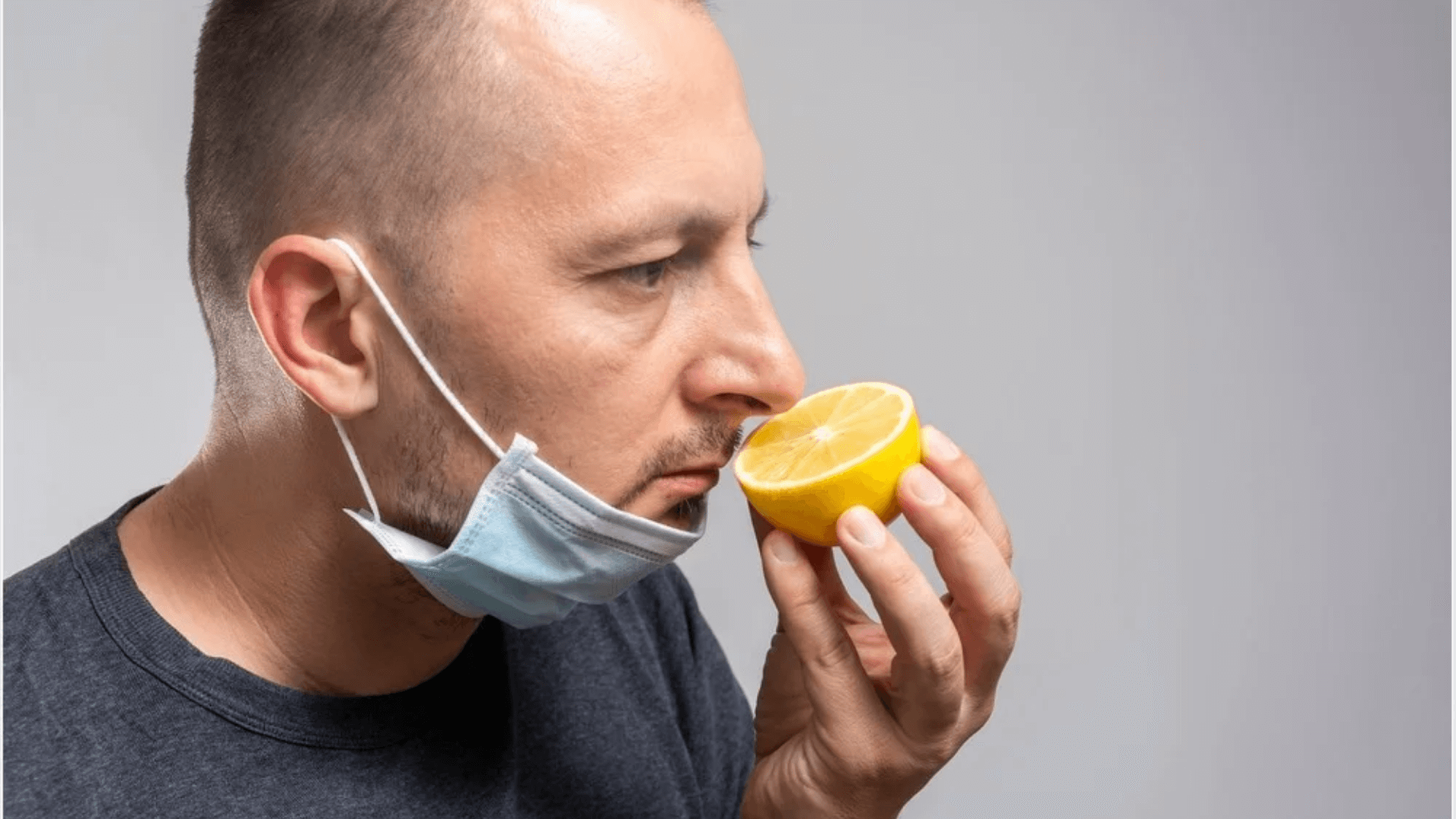
COVID-19 shows all possible ways by showing the lead symptom COD (chronic olfactory dysfunction) at longer-terms. This cause is emerging in the United States with public health concerns among individuals.
COD, when combined with the infection of Covid-19, may lead to the worst to handle a situation in a patient. One has to struggle with the COD and, on the other front, suffers from infection of this deadly virus in the body, which compromises the body on immunity making one face more troubles with time. However, a few experts have faced this issue and taken it as a challenge with effective treatment options that can save the body from both ailments and help one recover quickly. The experts have shared their experience and ways how they handled this situation and got good results.
Effective Treatments Reduced COVID Symptoms
Amish M. Khan is the lead researcher and author of this study; he says that “I and my research team had examined all the scales behind the public health which are concerned by the COVID-19 COD,” but the daily increase of new cases of COVID-19 is nearly estimated by the data of public which is available.
Researchers say that “we can estimate the two different studies by reporting the acute incidences of COVID-19 COD with 52 percent and during reporting, OD is having a recovery rate of 95 percent and nearly estimated by the cumulative frequency followed by the COVID-19 COD.”
The study explains the COVID-19 caused by olfactory dysfunction; for this reason, the chemosensory impairments have happened during transmission of COVID-19, which is likely towards the olfactory, and COVID cases are shown with one and more pathogens called nasal epithelial cells and postinfectious OD. These kinds of causes are shown with relatively high expressions.
Researchers say that “olfactory dysfunctions are done by angiotensin-converting by the enzyme of 2 receptors and it is most required by the entry of SARS-CoV-2.”
Most of the patients are reporting the impairments to interchange the taste and smell, and there are possible ways that target the SARS-CoV-2 of both gustatory and olfactory systems among many cases of dysfunctioning which is not related to the COVID-19. Patients who are described with altered taste will face the symptoms that could attribute the impairments of retronasal olfaction in the flavor compared with the impaired gustation, such as sour, bitter, sweet, and salty.
For this, researchers say that chemosensory impairments are the likely reasons for olfactory effects that are represented by COVID-19 COD.
According to the study findings, daily cases are recorded during the pandemic of COVID-19, and cases are nearly 70,000 where COD started emerging in the first six months. In August 2020 cumulative.
Based on the findings, the exponential increase is shown by the slope of cumulative numbers, which was already predicted during May and August. By August, individuals of the United States are expected to develop the COD based on the estimation at an intermediate level ranging from 170,238 to 1,600,241 on the low estimates as well as high estimates eventually.
Researchers explain the cases of olfactory dysfunction (OD) that “three main causes are included which holds the OD by increasing the upper respiratory viral infection, head trauma, and sinonasal disease” olfactory dysfunctioning are classified qualitatively in terms of anosmia and hypos-mia and quantitatively in terms of phantosmia and parosmia.
Authors state that “study data is suggested by the emerging health concerns among the public of OD and urgent requirement is shown for researching the treating focuses on COVID-9 COD.”
One of the researchers says that “financial ties should be disclosed for analytics, data, and health insurance companies.”
