Stem cells are a special type of cell present in our body from which all the other types of cells with distinct and complex functions can be generated or regenerated in case of any damage. For the regeneration of the cell, the body must function under normal conditions.
IPF And COVID-19 Damaged Lungs Show Different Stem Cell Trajectory
Recent studies show that severe damage to the lungs can alter the stem cell’s regenerative property, which may result in deforming repair of the lung. Diseases like COVID-19 & idiopathic pulmonary fibrosis can cause this severe damage to the lungs, which leads to a completely different trajectory of what stem cells follow.
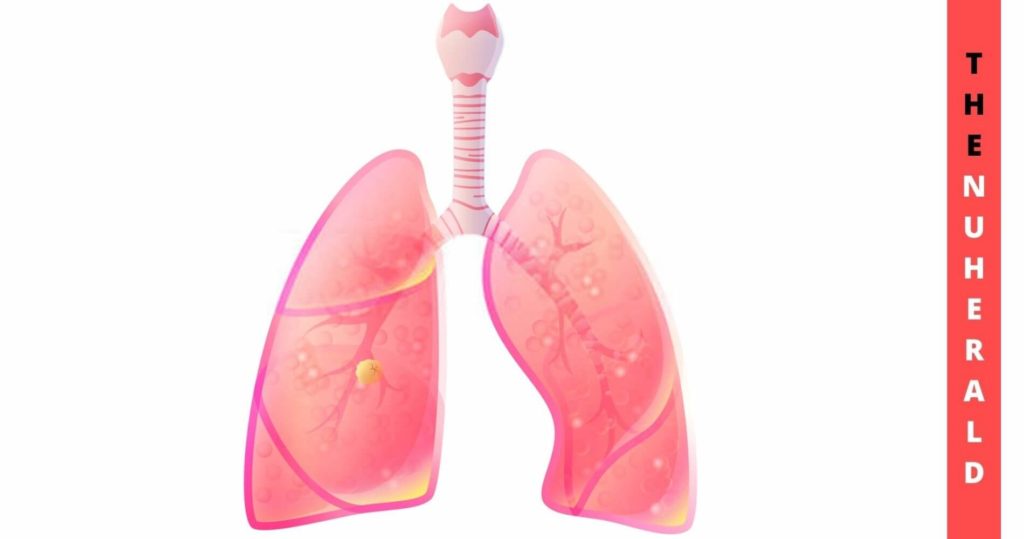
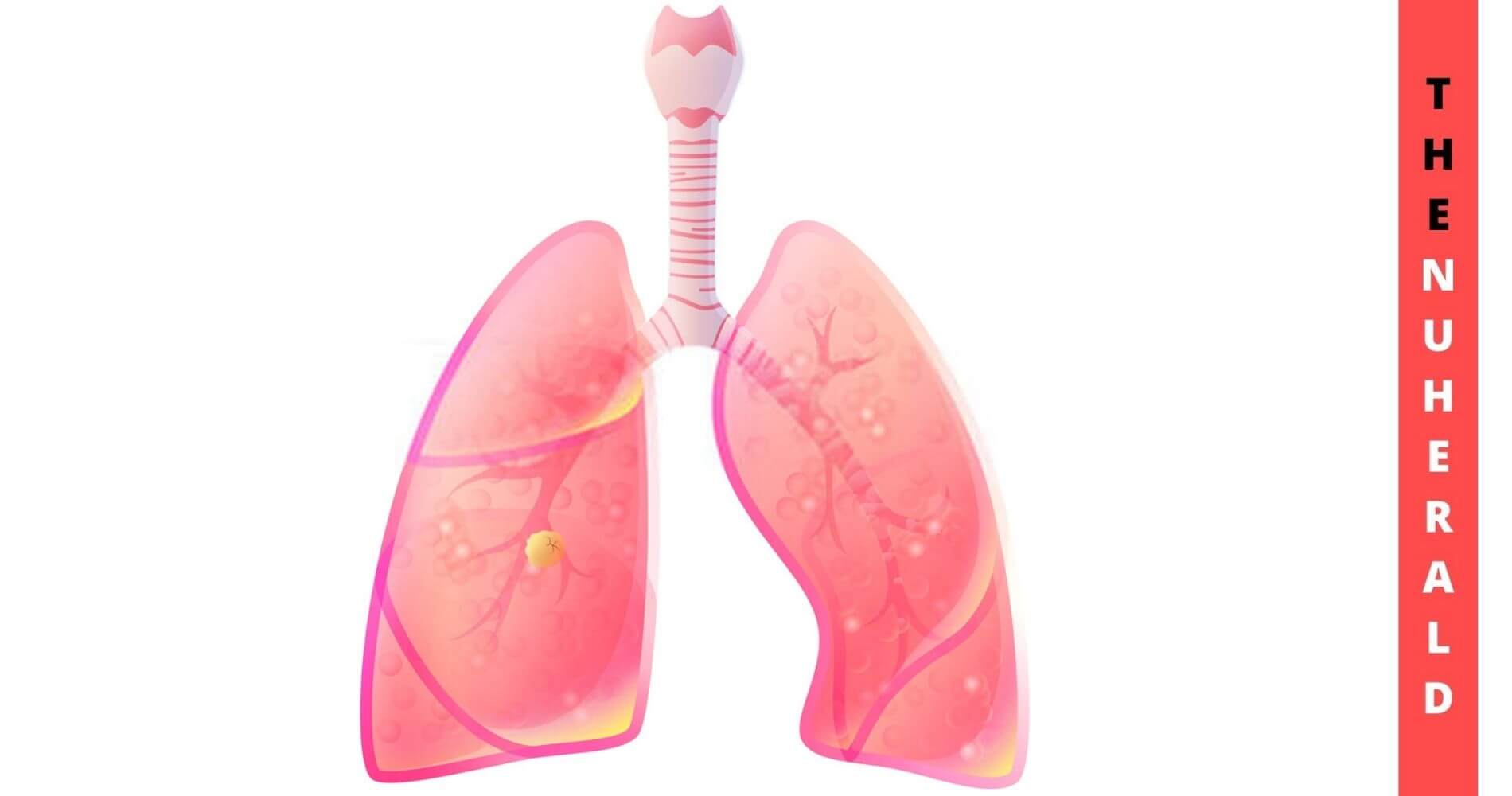
COVID-19 virus once gets into the body; it takes over the healthy normal functioning cells and takes command, especially in the lungs, which results in difficulty while breathing similarly idiopathic pulmonary fibrosis results in a scar in the lungs which reduces the breathing rate.
This research was published in Nature Cell Biology, whose co-authors are Jaymin Kathiriya (Ph.D.) & Chaoqun Wang (Ph.D.), supervised by Hal Chapman (MD) & Tein Peng (MD) at the University of California, San Francisco.
The research is clearly based on the different paths that stem cells undergo due to an abnormal differentiation caused by severe lung damage, which eventually alters the normal functioning of the lungs that may increase further complications.
Earlier it was discovered that the regenerative repairing property of the alveolus of stem cells, i.e., AEC2s, follow the same path in mice as well as humans, but due to the lung damage caused by COVID-19 & pulmonary fibrosis, the human AEC2s shows trans differentiation into active basal cells in lungs.
The researchers used many methods such as paraffin embedding, optimal cutting temperature embedding, immune-fluorescent staining, organoid composition calculation, fluorescence-activated cell sorting, cell culture, organoid assay, quantitative polymerase chain reaction, in-situ hybridization, and many other scientific techniques. They performed extensive analyses of scRNA and further organoids & cell transplantation to provide insight into the role of pathogenic cells driving the trans-differentiation
The lungs are composed of many epithelial cell lineages. The epithelial cell trans-differentiation into basal cells in lung repair is important for stimulating lung regeneration. The researchers described a new differentiation process from human ACE2s to basal cells, which is absent in mouse lungs.
The human-derived AEC2s basal cells resemble idiopathic pulmonary fibrosis metaplastic basal cells. To compare the basal cells from normal intact lungs, they analyzed the scRNA-seq results of freshly isolated epithelial cells isolated from the distal fragment of normal donor lungs, excluding the trachea and human AEC2-derived basal cells isolated form organoids.
They also found out that the human AEC2 to basal cell trans-differentiation occurs through intermediate states similar to what has been described in the alveolar space of bleomycin challenged mice and IPF (idiopathic pulmonary fibrosis) lungs. To check this intermediate state, they analyzed the time course of all epithelial cells.
The resulting trajectory was so different that the results were even cross-checked by performing single-cell analysis where all the genomic compositions of the cells are studied and compared, which shows that basal cell formation from then active stem cell is because of the stem cells that went through a different trajectory. It was quite surprising that normal adult lung mesenchyme cells do not support the maintenance and identity of normal human AEC2s.
Many critics even questioned the report on many factors, but the authors performed a large number of experiments and works with greater evidence to address all the comments raised. Meanwhile, the reviewers of the report claimed that this is a novel finding with very high clinical relevance that may help in further research about the reversal of this differentiation.
