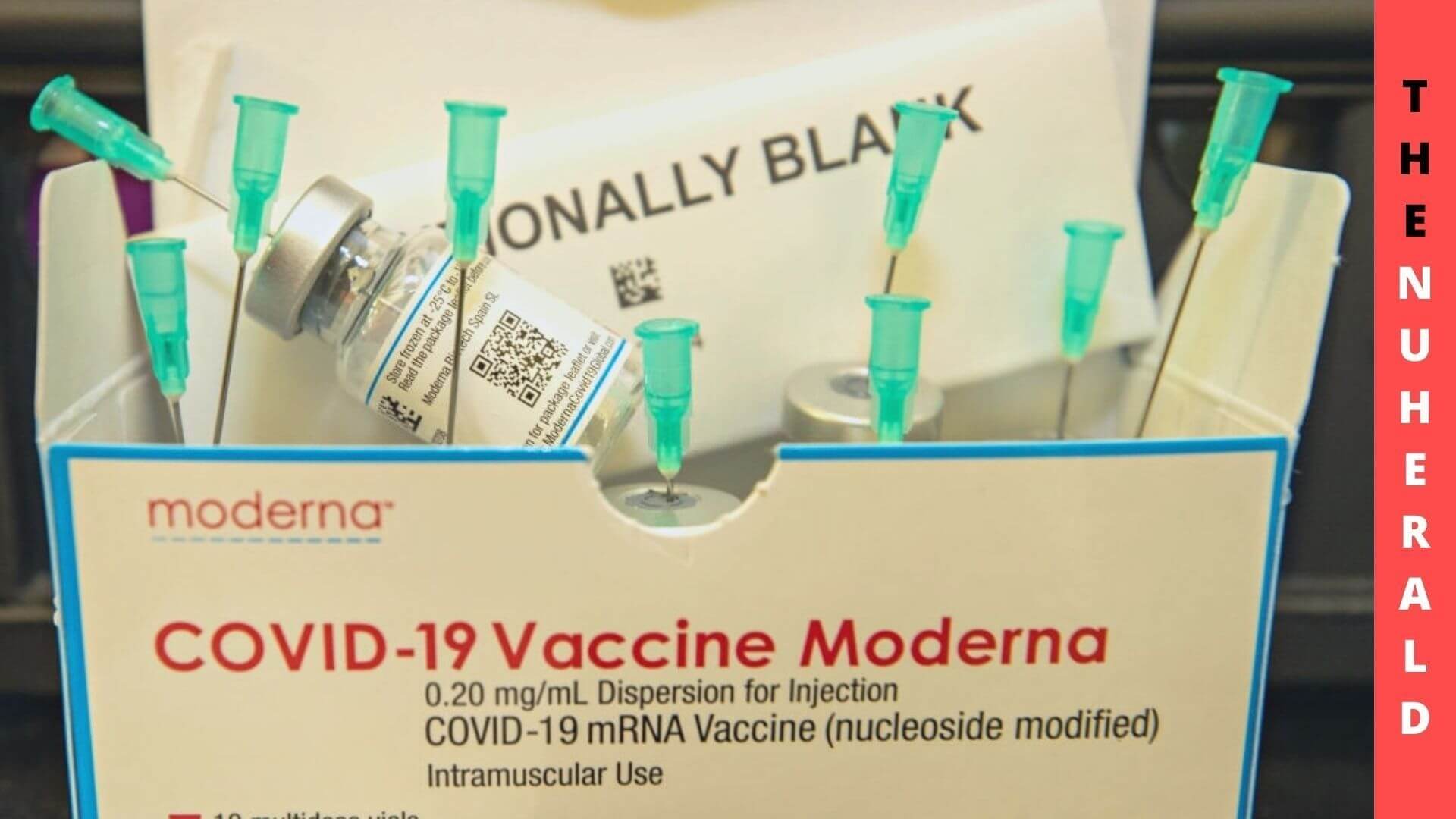
Using the game-changing capabilities of mRNA technology, more than eighty million Americans have been vaccinated against SARS-CoV-2, the virus that causes COVID-19.
Experts Hope For mRNA Vaccine Possibilities
While some may be concerned that the technology has been rushed, university labs have been researching the use of RNA rather than viruses to create the body’s protection against diseases for more than twenty-five years. The first two vaccines licensed for public use by the Food and Drug Administration (FDA) are based on messenger RNA (mRNA), which drives cells to launch an immune response against the coronavirus that causes COVID-19.
It is believed by vaccine researchers that the development of these vaccines will usher in the most dramatic change in vaccine development since someone caught the cow virus two centuries ago.
Vaccine mRNA does not penetrate the cell nucleus and does not interact with a person’s DNA, according to the Centers for Disease Control and Prevention. Other issues exist outside of the realm of science. Few diseases can elicit the kind of worldwide response that COVID-19 did in terms of finance, the commitment of top-tier scientific resources, collaboration, and public support.
A pandemic can strike at any time, but the advent of COVID-19 in late December provided an ideal opportunity for mRNA research: With its main scientific roadblocks overcome and human trials beginning, the technology was ready for a real-world test at a time when the world needed a vaccine more than ever.
Many people considered mRNA technology as one of the most promising ways to tackle the need-it-now challenge as hundreds of trials and research were launched around the world (the National Institutes of Health cites hundreds of COVID-19 vaccination investigations).
The remarkable rapidity with which the first two COVID-19 vaccines were developed and made available to the public in the United States supports this hypothesis. Pfizer and Moderna’s mRNA vaccines will be authorized for emergency use by the FDA by December 2020, less than a year after Chinese scientists revealed the coronavirus’ genetic sequence.
However, science cannot take sole credit: A large role was played by social, financial, and political issues. The worldwide urgency to battle COVID-19 prompted governments, charities, and corporations to invest more money in vaccine research and development than ever before, despite the fact that many, if not most, of the sponsored initiatives, would fail to deliver usable solutions.
Furthermore, while verified adverse effects from COVID-19 mRNA vaccinations have been modest in all but a few cases so far, there is still much to learn. To gain public acceptance, effective education regarding the negative effects and misinformation, such as that mRNA can modify someone’s genetic composition, will be required.
Throughout the early twentieth century, the idea showed promise in lab studies and animal trials, with researchers attempting to develop cancer medicines and vaccinations to defend against viral infections like influenza, Ebola, and SARS (severe acute respiratory syndrome).
The technology’s utility was hampered by several persistent flaws: getting mRNA into a cell was difficult, and mRNA generated significant inflammation and was quickly eliminated by the body. Weissman and three colleagues PSOM researchers with a Ph.D. surmounted those difficulties by encasing synthetic RNA in lipid nanoparticles, fat bubbles, that easily slip into cells, in what mRNA researchers consider a breakthrough.
The technology’s utility was hampered by several persistent flaws: getting mRNA into a cell was difficult, and mRNA generated significant inflammation and was quickly eliminated by the body. Other issues exist outside of the realm of science. Few diseases can elicit the kind of worldwide response that COVID-19 did in terms of finance, the commitment of top-tier scientific resources, collaboration, and public support.
