
Coronavirus disease 2019 (COVID19), the disease produced by the SARS-CoV-2 virus, has no specific, effective treatment or cure. Highly effective vaccines have now been introduced after one year of the pandemic and are beginning to slow the spread of SARS-CoV-2
Covid-19 Treatments- Everything You Need To Know
However, treatment remains important for those who are awaiting vaccination, as well as the estimated millions of immunocompromised people who are unlikely to respond robustly to vaccination.
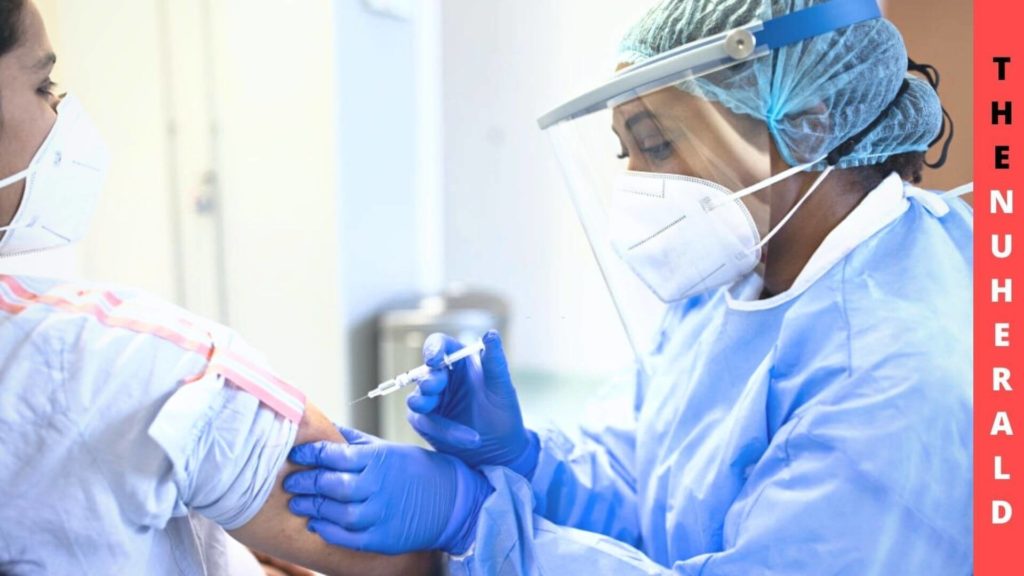
As a result of the lack of progress in developing effective treatments, supportive care has become the cornerstone of COVID-19 management, which includes symptom relief, fluid therapy, oxygen support, and prone positioning as needed, as well as medications or devices to support other affected vital organs.
The majority of COVID-19 instances are minor. Supportive therapy comprises medication such as paracetamol or NSAIDs to ease symptoms (fever, body pains, cough), enough fluid intake, rest, and nasal breathing in these cases.
A healthy diet and good personal cleanliness are also encouraged. Clinical studies are now being conducted on a number of investigational treatments. Despite the increasing study, there is yet insufficient high-quality evidence to support the recommendation of so-called early treatment.
After recovering from an infection, some patients may endure long-term symptoms or impairment, which is referred to as protracted COVID. There is currently a lack of knowledge on the best treatment and rehabilitation options for this illness.
Self-isolation has been advocated for those with mild instances of COVID-19 or who think they have been infected, even if they have no specific symptoms, in order to prevent the virus from spreading and putting a strain on health care facilities.
Respirators (rather than face masks) are preferred when they are available. The CDC advises wearing a mask in public areas, when unable to maintain social distance, and when engaging with persons who are not family members.
Although N95 respirators are certified for use in industrial environments, the FDA has granted emergency use authorization to the masks (EUA). They’re made to defend against dust and other airborne particles, but their effectiveness against a specific biological agent isn’t guaranteed when used off-label. When masks aren’t available, the CDC suggests using face shields or, as the last option, making your own masks.
COVID-19 symptoms might range from non-existent to fatal. Patients who are elderly or have specific underlying medical issues are more likely to experience severe sickness. COVID-19 is spread through the air when droplets and minute airborne particles harboring the virus are inhaled.
When people are close together, they are most likely to breathe them in, but they can also be breathed in over longer distances, particularly if they are indoors. Contaminated fluids can also spread the disease if they come into contact with the eyes, nose, or mouth, and in rare cases, contaminated surfaces.
Infected people are contagious for 10 days on average, and they can spread the virus even if they don’t show any symptoms. Many strains (variants) with varying degrees of infectivity and pathogenicity have resulted from mutations.
Social distance, masking, enhancing ventilation and air filtration, and quarantining people who have been exposed or are symptomatic are among the other recommended preventive methods.
Monoclonal antibodies, new antiviral medicines, and symptom management are all options for treatment. Travel restrictions, lockdowns, company limitations and closures, workplace hazard controls, quarantines, testing systems, and tracing sick contacts are all examples of government interventions and many other things.
COVID-19 symptoms might range from non-existent to fatal. Patients who are elderly or have specific underlying medical issues are more likely to experience severe sickness. COVID19 is spread through the air when droplets and minute airborne particles harboring the virus are inhaled.
